Altcoin Trading: From Entry to Advanced
2026-02-24Beginner
2026-02-24Beginner
What are Altcoins? Simply put, all cryptocurrencies other than Bitcoin (BTC) can be collectively referred to as Altcoins. Although the term "Shanzhai" (the Chinese term for Altcoin) carries a slightly derogatory connotation in a traditional context, in the crypto space, it represents "Alternative Coins." From the early days of Ethereum and Litecoin to today’s trending sectors like AI, Decentralized Physical Infrastructure Networks (DePIN), and Real World Asset (RWA) tokenization, the Altcoin market has always been the cradle for generating excess returns (Alpha).
Altcoin Diversity and Market Logic
To survive in the Altcoin market, one must first learn to categorize assets. The market of 2026 is no longer a blind era where "all boats rise with the tide"; capital flows are now highly industry-specific. The current market is primarily composed of several core sectors: the infrastructure layer (such as high-performance Layer 1s and modular Layer 2s), Decentralized Finance (DeFi) protocols, application tokens (such as AI & Big Data, GameFi), and highly community-driven Memecoins.
Understanding the logic of "Altseason" is a prerequisite for every trader. Typically, capital flows follow a classic "spillover effect": first, a rise in Bitcoin attracts external incremental capital; subsequently, funds flow into large-cap blue-chip tokens (such as Ethereum and Solana), followed by mid-cap tokens with strong fundamental support, and finally into small and micro-cap tokens driven by sentiment. Learning to observe changes in Bitcoin Dominance (BTC.D) can help you determine whether you should hold onto value assets or courageously chase high-growth tokens.
Fundamental Research—Cutting Through Noise to Find Value
In Altcoin trading, following the crowd blindly is the source of losses. A qualified trader must possess basic Due Diligence (DYOR) capabilities. First is the whitepaper and technical vision. You need to understand exactly what pain point this project solves—does it increase the TPS of a public chain, or does it reduce the cost of AI computing power through decentralized means? If a project's vision is vague and built only on flowery rhetoric, it is likely a short-lived narrative bubble.
Second is Tokenomics. This is the underlying skeleton that determines the long-term price trend. You need to focus on the total supply, circulating supply, inflation rate, and unlock schedule. A trap that requires particular vigilance is the "High FDV, Low Float" project. If a project has a staggering Fully Diluted Valuation (FDV) but a current circulation rate of less than 10%, it means there will be massive unlocking selling pressure in the future, making the risk of long-term holding extremely high. You should favor tokens with reasonable incentive mechanisms and clear utility (such as staking dividends, governance rights, or fee discounts).
Finally, do not overlook the team background and community hype. In the environment of 2026, the activity of the developer ecosystem can be comprehensively judged through GitHub commit frequency, social media discussion heat, and the number of on-chain active addresses. A project with a real user base and developer stickiness is more resilient in bear markets and more explosive in bull markets.
Technical Analysis and the New Trading Norms of 2026
Once fundamentals have filtered for potential targets, Technical Analysis (TA) tells you when to enter. In the Altcoin market, volatility is typically 3 to 5 times that of Bitcoin, meaning traditional candlestick analysis requires a sharper intuition. Support and resistance levels remain the cornerstones of trading, but you need to pay more attention to "Volume Profile." Altcoin holdings are often concentrated in the hands of a few large holders (whales); by observing on-chain large transfer data and exchange depth charts, you can capture the accumulation intentions of institutional capital.
Entering 2026, AI-assisted trading and Intent-based Trading have become mainstream. As an individual trader, utilizing automated grid strategies or AI analysis tools provided by exchanges can effectively overcome the greed and fear inherent in human nature. Rather than staring at a screen for manual operations, setting "trading intents" based on specific logic—for example, "automatically buy when a certain token is in the top five for Solana ecosystem activity and the price retraces to the 0.618 Fibonacci level"—allows you to remain calm amidst extreme volatility.
Risk Control Strategies—Steering the Ship Through Turbulent Seas
If research capability determines how much you can earn, then risk control capability determines how long you can survive. In Altcoin trading, the most core iron rule is position management. Never invest more than 20% of your total principal into any single Altcoin, unless it is a blue-chip asset of Ethereum's caliber. For small-cap "Shitcoin" projects or speculative tokens, positions should be controlled between 1% and 3%, treating them as high-risk lottery tickets.
The Stop-Loss is a trader's lifeline. Since Altcoins can drop 20% or more within minutes, manual stop-losses are often too late. It is recommended to set system stop-loss orders at the same time you place an entry. Simultaneously, learning to "scale out" (take partial profits) is equally important. Many traders have experienced the tragedy of seeing their account balance double only to eventually return to zero because they failed to convert paper profits into cash reserves in time. Every time the price rises to a key resistance level, reducing a portion of the position not only locks in profit but also allows you to maintain a healthy psychological state during subsequent fluctuations.
Furthermore, security risk is a unique challenge in Altcoin trading. Many emerging Altcoins are primarily traded on Decentralized Exchanges (DEXs), which involves smart contract security. In 2026, using tools like security audit plugins or on-chain tracking tools to check if a contract has "backdoors" or "Rug Pull" risks has become instinctive for every on-chain player.
Trading Psychology—Overcoming FOMO and FUD
In the Altcoin market, emotion is a more powerful force than capital. Fear Of Missing Out (FOMO) causes investors to rush into the market after the price has already multiplied several times, becoming the "exit liquidity"; while Fear, Uncertainty, and Doubt (FUD) causes investors to cut losses and exit in the darkness before dawn.
To overcome these psychological barriers, you need to establish your own "trading journal." Record the reasons for every purchase: Was it because of a technical breakout? Or a major partnership? When the market fluctuates, review your initial reasons. If the reasons still hold true, do not be distracted by short-term price noise. Remember, Altcoin trading is a marathon, not a hundred-meter sprint. In this market full of temptations, the ability to resist the daily emergence of "100x coin" allure and focus on sectors you understand and can grasp is the hallmark of advancing to a professional trader.
Conclusion: Embrace Change and Maintain Respect
Trading Altcoins is essentially trading "future possibilities." The crypto market of 2026 is more mature and more complex. It rewards those who research diligently, maintain strict discipline, and continuously evolve their knowledge systems. As investors, we must not only focus on price fluctuations but also understand the socio-economic changes behind these technologies.
The world of Altcoins contains both wealth myths that make people famous overnight and ruthless traps that cause total loss. Maintain a heart of respect, always use only money that "you can afford to lose" to participate in high-risk games, and find your own path to trading through continuous learning.
From raw information to professional expertise. Partner with top researchers at CoinW Academy and build your systematic crypto knowledge today.
You May Also Like

Can You Profit from Copying On-Chain Smart Money? Risks & Returns
Learn whether copying on-chain smart money can be profitable. Discover key risks, returns, and common pitfalls in crypto copy trading strategies.
Copying Smart Money ≠ Blind All-In: 7 Common Pitfalls to Avoid
Discover 7 common smart money copy trading mistakes and learn how to avoid late entries, liquidity risks, and poor risk management.
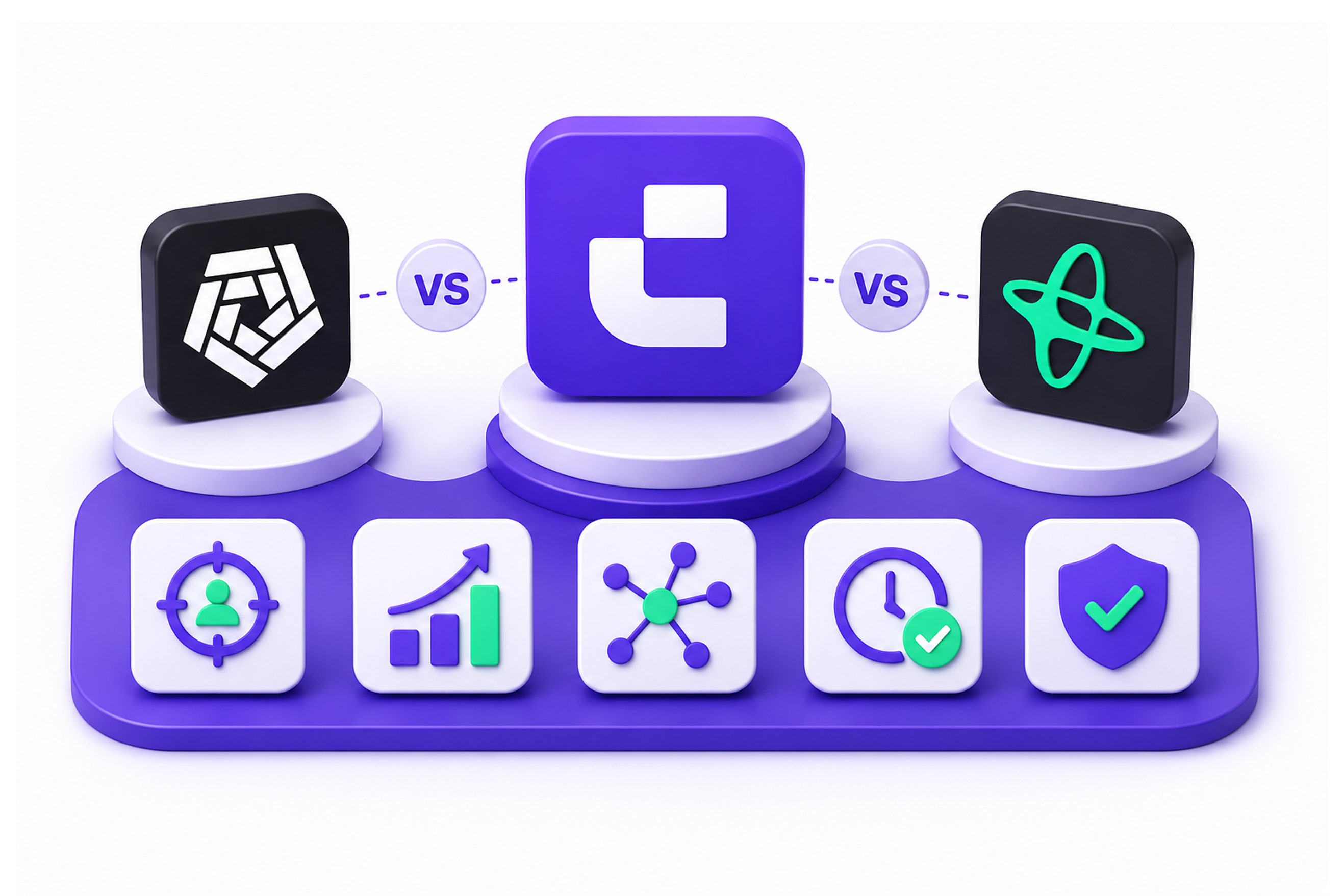
CoinW vs Arkham & Nansen: 5 Advantages for Finding Smart Money
Compare CoinW, Arkham, and Nansen for smart money discovery, on-chain analytics, copy trading, and trading execution workflows.
All
Articles